

Who pays for repairs: the line between a lot and common property
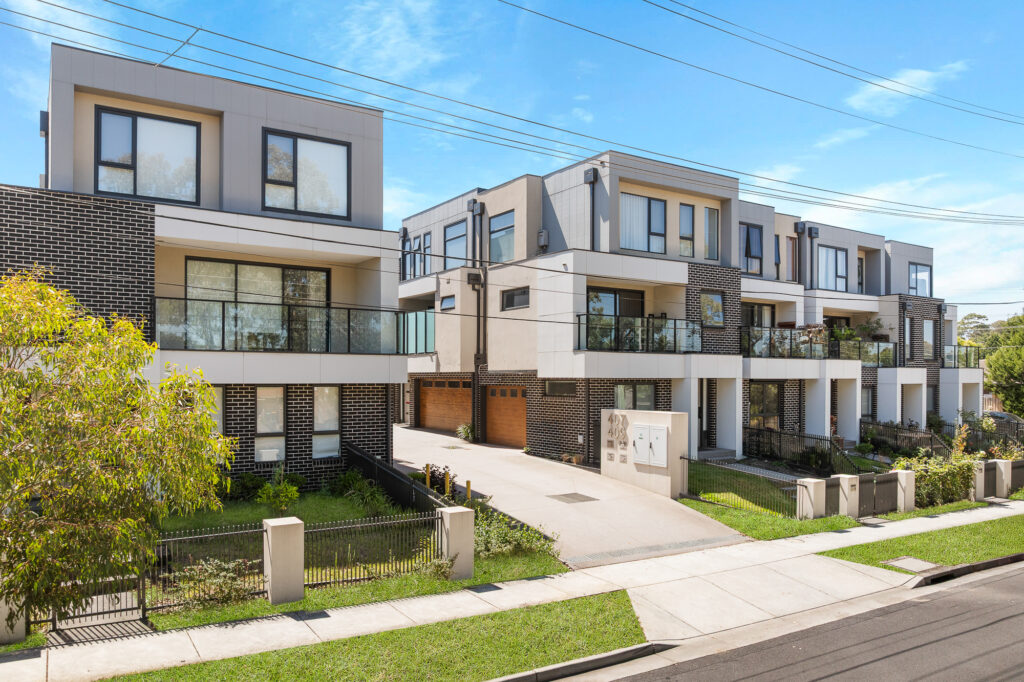
The default position in Victoria is straightforward: the owners corporation is responsible for maintaining and repairing common property — lifts, stairs, lobbies, roofs, external walls, driveways, gardens and shared services — and individual owners are responsible for what is inside their own lot. Almost every repair disagreement is an argument about where that line falls on a particular building.
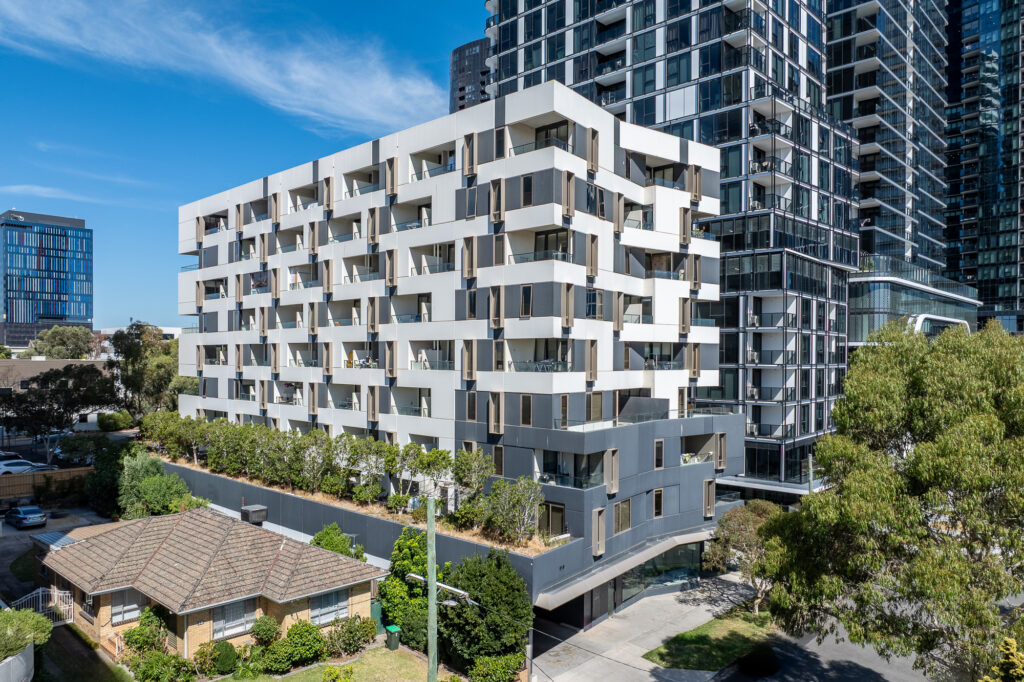
The line is drawn by the plan of subdivision
What is a lot and what is common property is set out on the plan of subdivision registered at Land Use Victoria. That plan, not a general rule of thumb, is what decides whether a particular wall, window, balcony or pipe is the owners corporation’s problem or the owner’s. Floor coverings and fixtures inside a lot are usually the lot owner’s; the structure and the services serving more than one lot usually are not.
A worked example: water through the ceiling
A bathroom in one apartment leaks into the apartment below. The ceiling of the lower apartment is likely to be common property or part of a lot boundary structure, and the pipe that failed may serve only the upper lot. In practice the owners corporation repairs the common property — the ceiling, the structure — while the responsibility for the failed fixture and the fittings inside a lot is worked out between the owners. This is why the same leak can produce two invoices: one for the building, one for a lot.
Where it gets complicated
- Balconies, courtyards and car spaces. Often areas over which one owner has exclusive use but which remain common property — so the owners corporation still has maintenance obligations even though only one owner benefits.
- Windows and doors. Sometimes lot property, sometimes common property, sometimes mixed within the one opening.
- Services passing through a lot. A pipe or duct running through several apartments may serve the whole building, which changes who is responsible for it.
- Damage with a cause. Negligence by an owner or a tenant can shift who ultimately bears the cost, even where the owners corporation has to do the repair.
Insurance and maintenance are separate questions
The owners corporation must hold reinstatement and replacement insurance covering the buildings and public liability cover for the common property. Insurance determines who pays for a loss; the maintenance obligation determines who has to act. A committee that has insurance can still be the party responsible for repairing — the claim is about recovery, not about duty.
What to do first
- Report it in writing to the manager and the committee, with photos and dates, rather than raising it in passing.
- Ask for an inspection and a written view on whether the affected area is lot or common property, with the plan of subdivision reference.
- Stop further damage — make safe, and keep the receipts for anything urgent that had to be done.
- If the answer is disputed, the regulator publishes guidance on the process and VCAT can make binding orders about common property and repairs.
Where to go next
The glossary defines lot, common property, lot liability and the other terms used here; resources answers the practical questions owners ask. If your committee is dealing with a maintenance backlog or a defective building, talk to us.